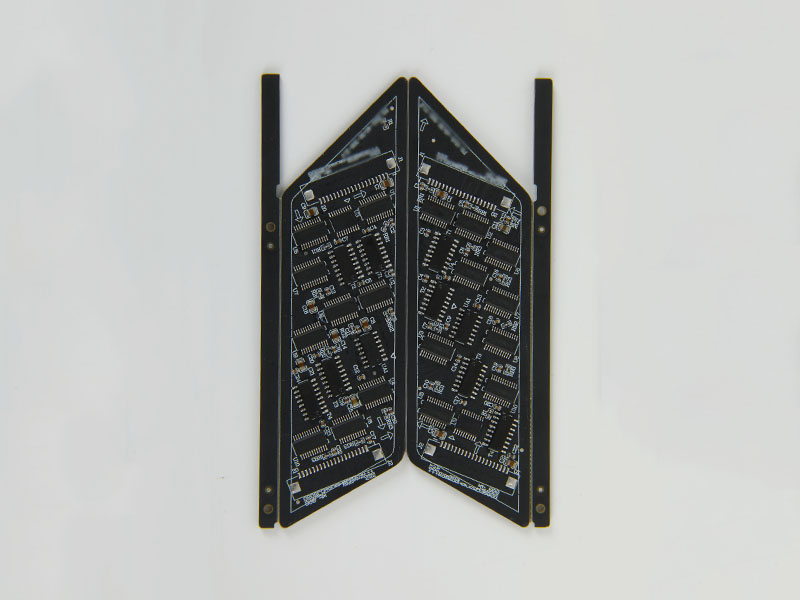
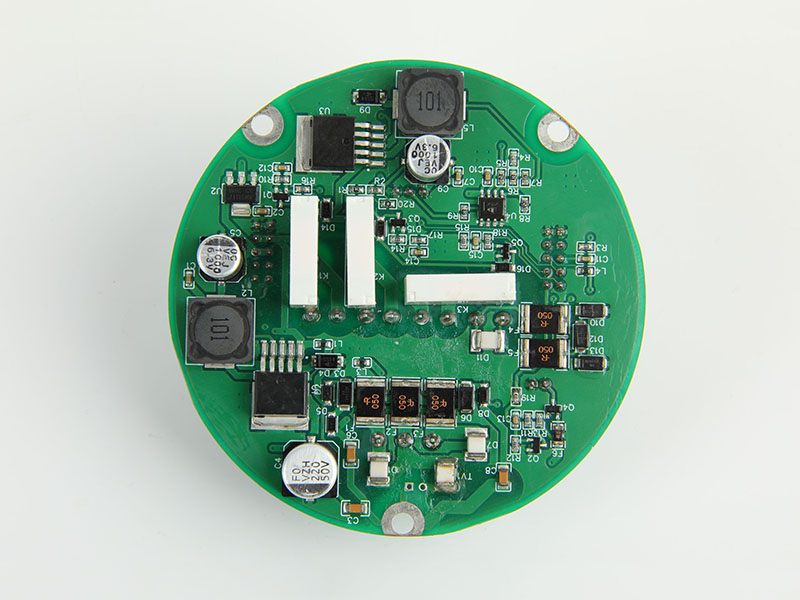
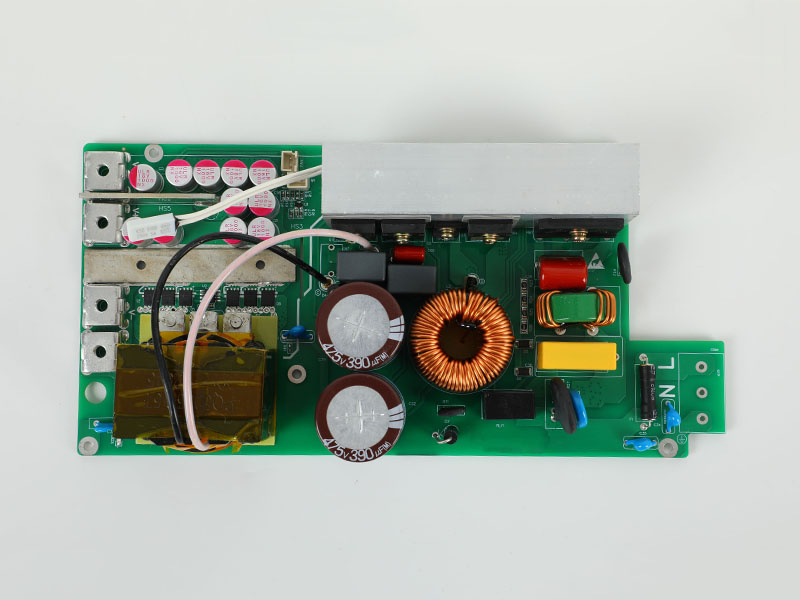
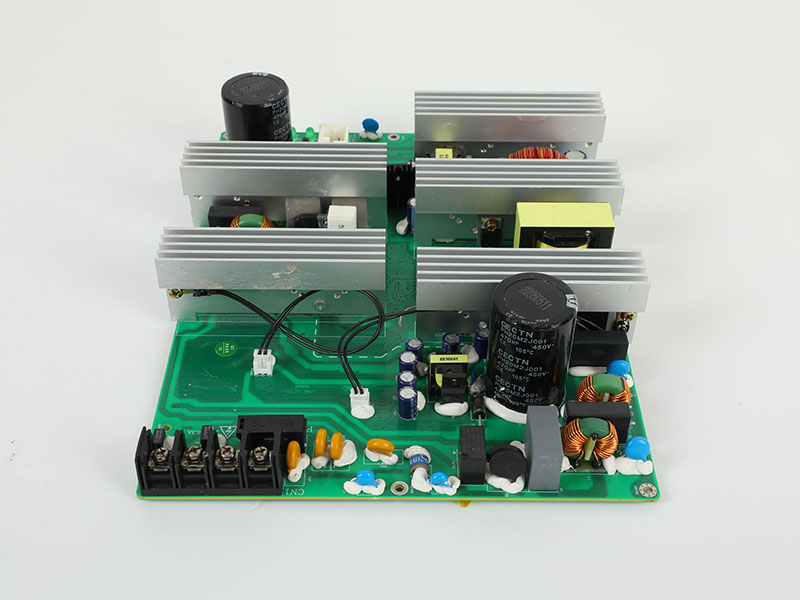
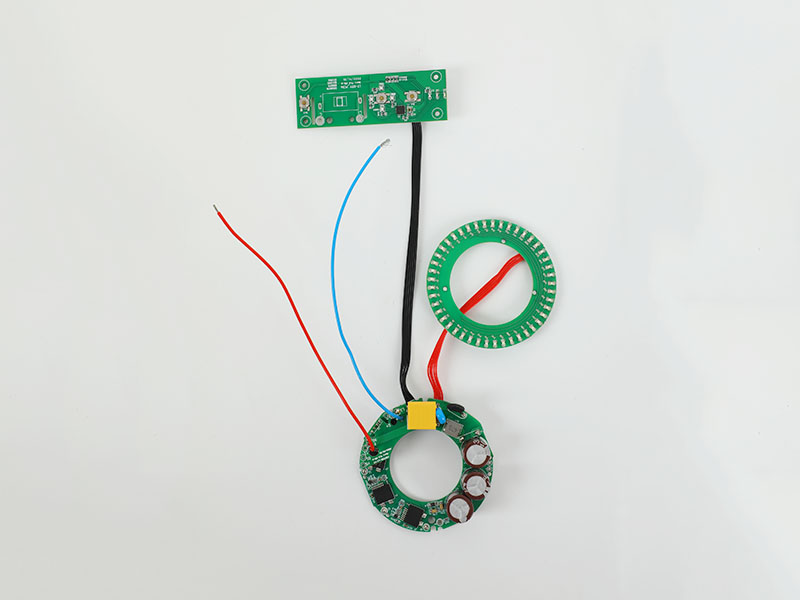
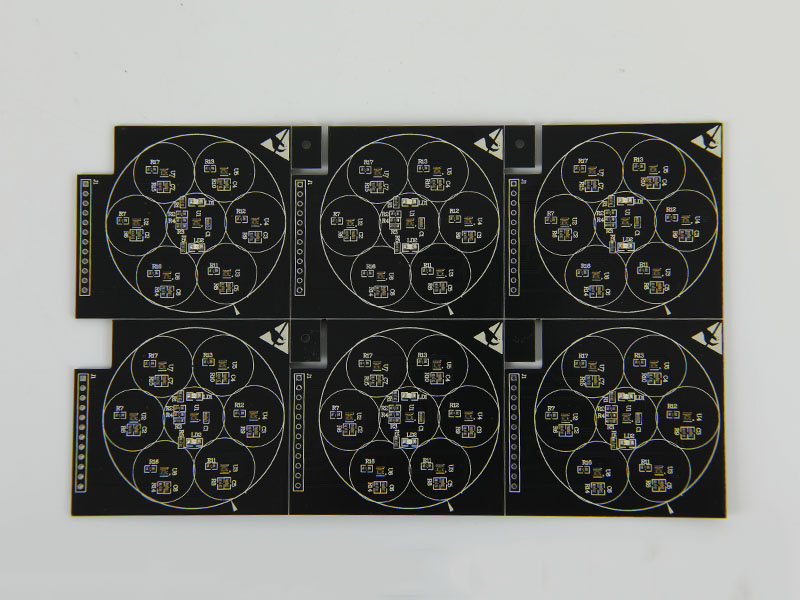
In the field of medical devices, the PCBA, as a core component, has its performance and reliability directly impacting patient safety and treatment outcomes. Compared to consumer electronics or industrial equipment, PCBA for medical applications must meet more stringent standards, covering multiple dimensions including material selection, process control, environmental adaptability, and safety certifications.Medical PCBA has extremely high requirements for material stability. Medical devices often need to operate in environments with high temperatures, high humidity, or frequent disinfection. Ordinary PCB substrates are prone to deformation or performance degradation due to thermal expansion and contraction. Therefore, the medical field commonly uses materials with a high glass transition temperature (Tg). Such materials maintain structural stability even at high temperatures, preventing circuit failures caused by environmental changes. Simultaneously, to prevent degradation of insulation performance in humid environments, the materials must possess low moisture absorption properties, ensuring signal transmission stability. Furthermore, medical devices have strict requirements for the biocompatibility of materials, especially for implantable devices or components that come into direct contact with the human body. Their substrates, solders, and encapsulation materials must pass biological tests such as cytotoxicity and skin irritation to avoid allergic or toxic reactions.
In today's world of increasing electronic product prevalence, the PCBA board (Printed Circuit Board Assembly) serves as a core component, and its operational lifespan directly impacts the overall reliability and durability of the product. Effectively extending the service life of a PCBA board not only enhances user experience but also reduces resource waste, aligning with the principles of sustainable development. The following discussion will explore multiple strategies to effectively prolong the lifespan of PCBA boards within products.Reasonable design is the foundation for extending the operational life of a PCBA board. During the design phase, full consideration should be given to the board's operating environment and load conditions to select appropriate components and materials. For instance, PCBA boards intended for high-temperature or high-humidity environments should utilize components and packaging with enhanced heat resistance and moisture protection, thereby mitigating damage from environmental factors. Concurrently, optimizing circuit layout and routing to minimize signal interference and electromagnetic radiation reduces the risk of component failure due to unstable operation.
PCBA board, which stands for Printed Circuit Board Assembly, is an indispensable core component in modern electronic devices, serving the functions of component mounting and electrical interconnection. Designing a high-quality PCBA requires not only a solid foundation in electronics but also an in-depth understanding of the design process, component selection, layout and routing, and various other aspects. The following introduces some fundamental knowledge of PCBA design.PCBA design begins with clearly defined design requirements and specifications. This includes determining the product's functional positioning, performance targets, operating environment, and cost budget. Clear requirement analysis is the first step toward successful design, directly influencing subsequent component selection, circuit design, and PCB layout. Designers must communicate closely with clients or the product team to ensure a comprehensive and accurate understanding of the requirements.
During the production of PCBA boards, copper surface oxidation is a critical issue affecting circuit reliability. Copper, as the core material for conductive layers, suffers from reduced conductivity due to surface oxidation, leading to poor soldering and even signal degradation during long-term use. From raw material storage to processing stages and post-treatment processes, systematic control measures are required to interrupt the oxidation chain and ensure the copper surface remains clean over time.Protection during raw material storage serves as the first line of defense against oxidation. Copper foil rolls, before processing, must be stored in a dry, sealed environment. Controlling humidity below 30% effectively inhibits oxidation reactions. Storage containers should be made of moisture-proof materials with anti-oxidation coatings applied to inner walls to prevent direct contact between copper and air. For opened copper foil, packaging bags should be filled with nitrogen and sealed, using inert gas to isolate oxygen and moisture. A factory comparison once revealed that copper foil stored in humid environments for one week without special treatment developed a surface oxide layer three times thicker, while nitrogen-packaged equivalent material showed almost no change in oxidation layer thickness.
As a core component of electronic products, the PCBA board directly impacts product performance and reliability. To ensure stable operation of PCBA boards in complex environments, multi-dimensional inspection methods are required to comprehensively evaluate their performance. The following systematically outlines key PCBA board inspection methods, ranging from basic visual inspection to in-depth reliability testing.Basic visual inspection serves as the first checkpoint for quality control. Traditional visual inspection relies on operator experience, using magnifying glasses or microscopes to observe details such as component polarity, solder joint morphology, and PCB surface scratches. Although this method is low-cost, the identification of minor defects is susceptible to subjective factors. The introduction of Automated Optical Inspection (AOI) addresses this challenge by utilizing high-resolution cameras to capture PCBA images and algorithmically comparing them against standard templates, enabling rapid identification of defects such as component misalignment, poor solder joints, and bridging. Inspection efficiency is several times higher than manual methods, making it particularly suitable for high-volume production scenarios.
As a core component of electronic products, the PCBA board's quality and performance stability directly impact the overall reliability and service life of the end product. During the production, transportation, and storage of PCBA boards, the storage environment is a critical factor that is easily overlooked. Improper storage conditions can lead to moisture absorption, oxidation, short circuits, and even functional failure of the PCBA board. Therefore, understanding and adhering to the storage environment requirements for PCBA boards is particularly necessary.PCBA boards have strict requirements regarding storage temperature. Temperatures that are too high or too low can cause damage. High temperatures accelerate the aging process of components, especially plastic-encapsulated ones, which may crack or deform due to differences in the coefficient of thermal expansion. Simultaneously, high temperatures can potentially reflow solder, causing loose connections or short circuits. Conversely, low temperatures can make certain components brittle and susceptible to damage, and moisture in the air is more likely to condense as frost, increasing the risk of moisture absorption. Therefore, PCBA boards should be stored in an environment with suitable temperature and minimal fluctuation; a general recommendation is a temperature range between 5°C and 30°C.
Total6
Result Pages1 |
This page1
9First page
7Previous
Next8
Last Page:
Jump:
Service Hotline:+86 134 1035 1150Address:
No. 501, Industrial North Area, Xinhé Community, Fuhai Subdistrict, Bao'an District, Shenzhen City, Guangdong Province, China