

Weijin TechnologyOne stop manufacturer for PCBA&SMT surface mount processing
-

-

-
+86 13410351150
Weijin TechnologyOne stop manufacturer for PCBA&SMT surface mount processing
+86 13410351150
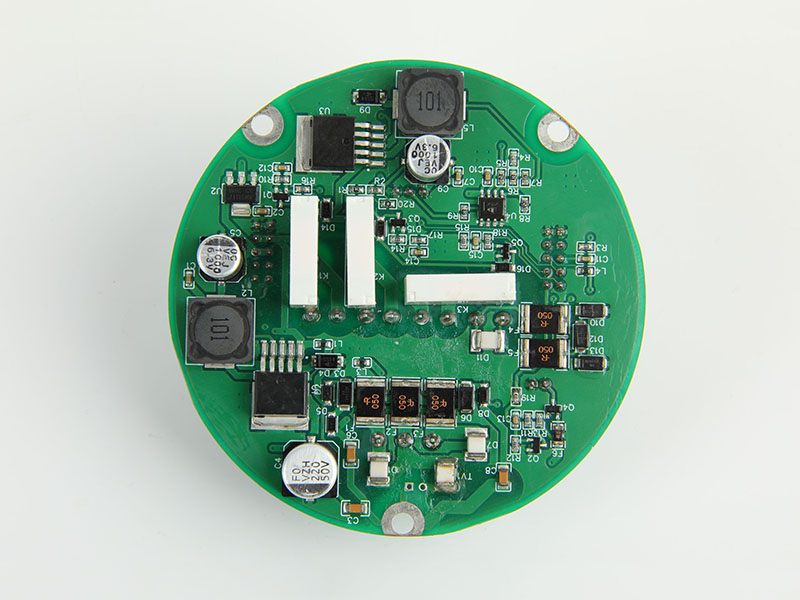
In today's world of increasing electronic product prevalence, the PCBA board (Printed Circuit Board Assembly) serves as a core component, and its operational lifespan directly impacts the overall reliability and durability of the product. Effectively extending the service life of a PCBA board not only enhances user experience but also reduces resource waste, aligning with the principles of sustainable development. The following discussion will explore multiple strategies to effectively prolong the lifespan of PCBA boards within products.
Reasonable design is the foundation for extending the operational life of a PCBA board. During the design phase, full consideration should be given to the board's operating environment and load conditions to select appropriate components and materials. For instance, PCBA boards intended for high-temperature or high-humidity environments should utilize components and packaging with enhanced heat resistance and moisture protection, thereby mitigating damage from environmental factors. Concurrently, optimizing circuit layout and routing to minimize signal interference and electromagnetic radiation reduces the risk of component failure due to unstable operation.
Stringent process control during manufacturing is crucial for ensuring PCBA board quality. Throughout the production process, every step must adhere to specified standards to prevent latent quality defects. For example, soldering processes require precise temperature and time control to avoid issues like poor or cold solder joints. Cleaning stages must thoroughly remove flux residues to prevent corrosion of components or impairment of circuit performance. Furthermore, electrostatic discharge (ESD) protection during production is paramount; effective ESD mitigation measures are necessary to prevent damage to sensitive components.
Proper usage and maintenance are equally important. Users should adhere to the operational guidelines provided in the product manual, avoiding excessive use or improper handling that could damage the PCBA board. This includes refraining from operating electronic products for prolonged periods in environments with high temperature, high humidity, or excessive dust. Regularly cleaning dust from inside the product to maintain adequate cooling is recommended. Avoiding frequent power cycling or sudden power interruptions can also reduce electrical stress on the board. For accessible PCBA boards, users should periodically inspect connections for security and check for loose or damaged components, performing timely tightening or replacement as needed.
Optimizing storage conditions is also a critical factor. For electronic products not in use for extended periods, the PCBA board should be stored in a dry, well-ventilated, and light-free environment to prevent moisture absorption, oxidation, or mold growth. For long-term storage, utilizing anti-static bags or desiccants for protective packaging can further extend the board's usable life.
In summary, extending the operational lifespan of a PCBA board within a product requires a comprehensive approach encompassing design, manufacturing, usage, maintenance, and storage. Only by considering these factors holistically and implementing effective protective measures can the stable and reliable performance of the PCBA board be ensured over prolonged use, providing robust support for the durability of electronic products.

No. 501, Industrial North Area, Xinhé Community, Fuhai Subdistrict, Bao'an District, Shenzhen City, Guangdong Province, China