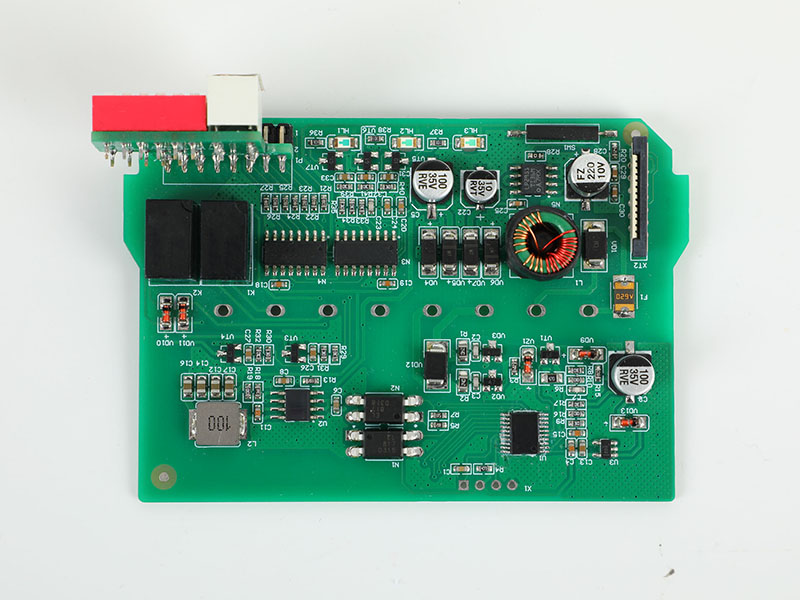
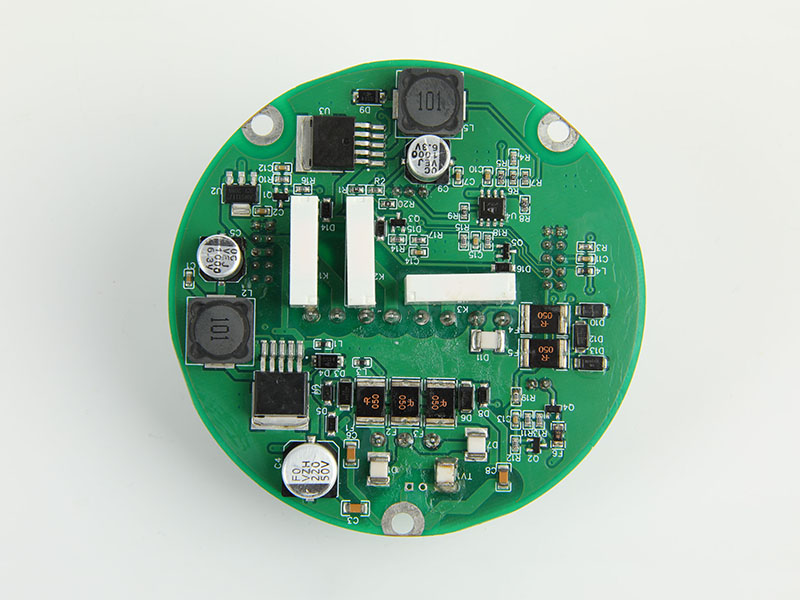
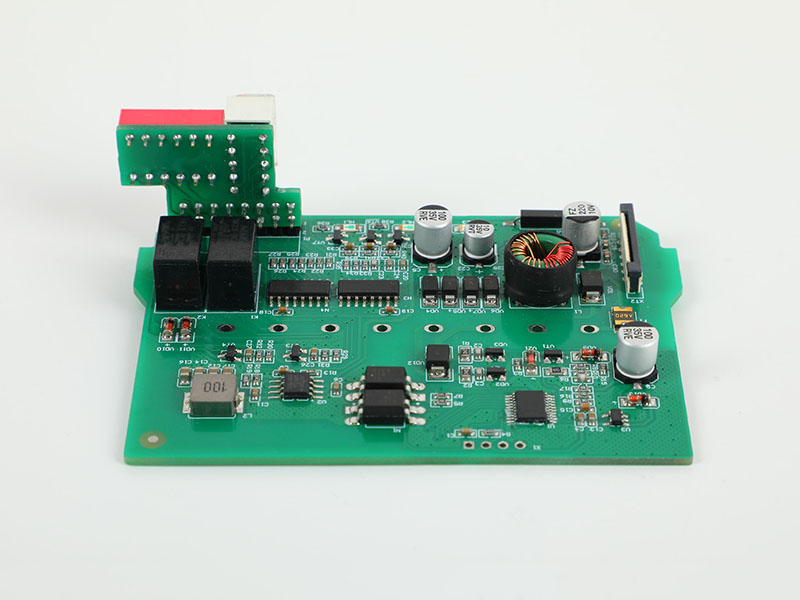
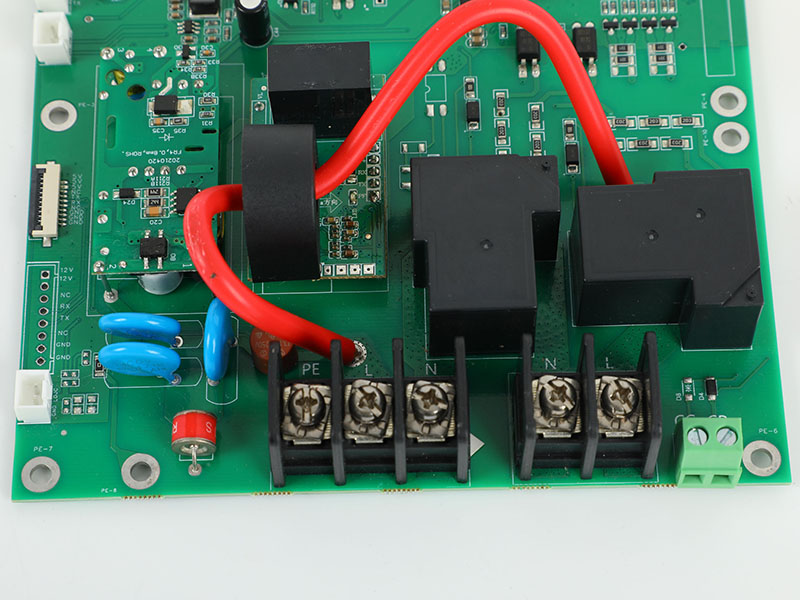
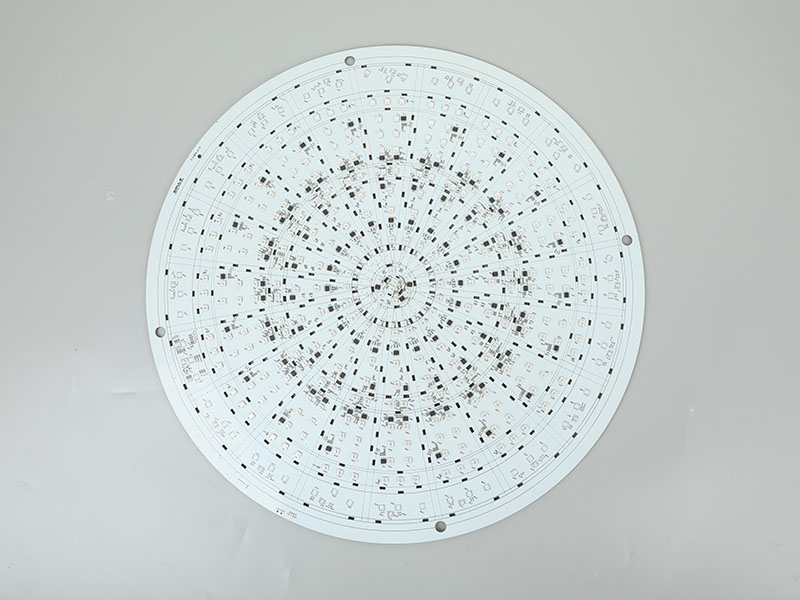
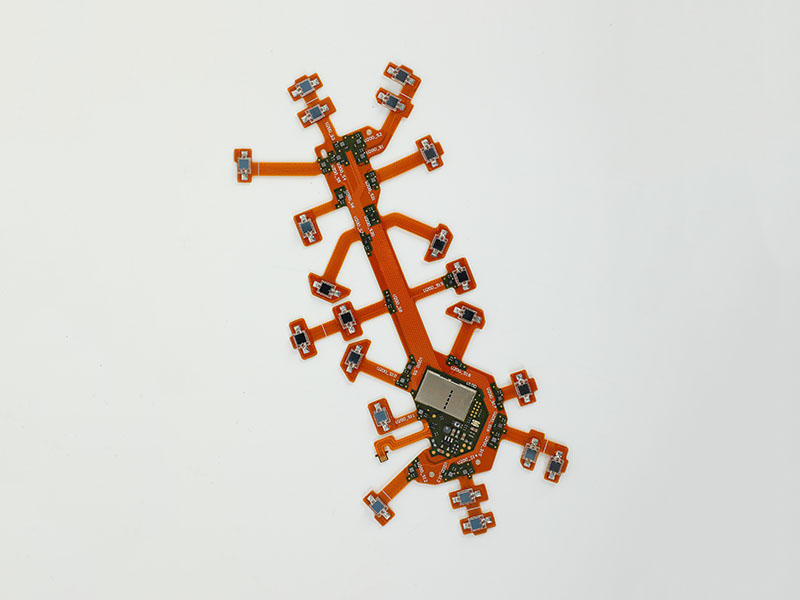
PCBA, or Printed Circuit Board Assembly, is the physical foundation that carries the core functions in modern electronic devices. It integrates electronic components with a Printed Circuit Board (PCB) through soldering processes to form a complete module with specific electrical performance. From smartphones to industrial controllers, from home appliances to aerospace equipment, PCBA supports the operation of various electronic products in a highly integrated and standardized form. Its design, manufacturing, and quality directly determine the performance and reliability of the final product.The composition of a PCBA can be divided into two core parts: the PCB substrate and the electronic components. The PCB substrate is typically made from insulating materials such as epoxy resin fiberglass fabric (FR-4), with a layer of copper foil covering its surface to form the conductive circuitry. Through the etching process, the copper foil is transformed into a complex network of traces, enabling signal transmission and power distribution. Based on the number of layers, PCBs can be classified as single-layer, double-layer, or multi-layer boards. Multi-layer boards, utilizing inner layer traces and via designs, achieve higher component density and more complex circuit functions. Electronic components, including chips, resistors, capacitors, inductors, connectors, etc., are then fixed onto the PCB using Surface Mount Technology (SMT) or Through-Hole Technology (THT), collectively forming a complete circuit system.