

Weijin TechnologyOne stop manufacturer for PCBA&SMT surface mount processing
-

-

-
+86 13410351150
Weijin TechnologyOne stop manufacturer for PCBA&SMT surface mount processing
+86 13410351150
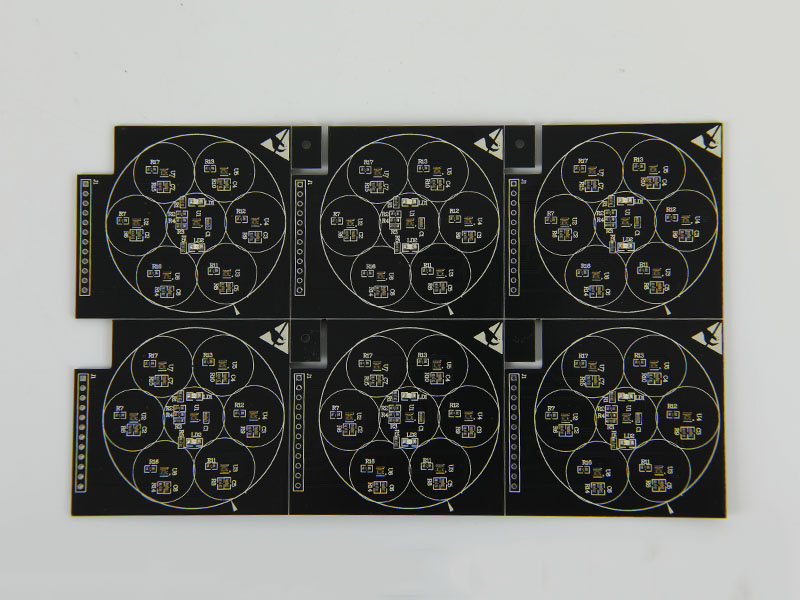
As a core component of electronic products, the PCBA board's quality and performance stability directly impact the overall reliability and service life of the end product. During the production, transportation, and storage of PCBA boards, the storage environment is a critical factor that is easily overlooked. Improper storage conditions can lead to moisture absorption, oxidation, short circuits, and even functional failure of the PCBA board. Therefore, understanding and adhering to the storage environment requirements for PCBA boards is particularly necessary.
PCBA boards have strict requirements regarding storage temperature. Temperatures that are too high or too low can cause damage. High temperatures accelerate the aging process of components, especially plastic-encapsulated ones, which may crack or deform due to differences in the coefficient of thermal expansion. Simultaneously, high temperatures can potentially reflow solder, causing loose connections or short circuits. Conversely, low temperatures can make certain components brittle and susceptible to damage, and moisture in the air is more likely to condense as frost, increasing the risk of moisture absorption. Therefore, PCBA boards should be stored in an environment with suitable temperature and minimal fluctuation; a general recommendation is a temperature range between 5°C and 30°C.
Humidity is another key factor affecting the storage quality of PCBA boards. High-humidity environments cause PCBA boards to absorb moisture, forming a water film on component surfaces. This can not only lead to short circuits but also accelerate the oxidation and corrosion of metal parts, degrading the board's insulation resistance. Prolonged exposure to high humidity may also cause mold growth on the PCBA, further compromising its performance. Hence, when storing PCBA boards, the environmental relative humidity should be controlled within the range of 40% to 60%. If necessary, dehumidifiers or desiccants should be used to maintain a dry environment.
In addition to temperature and humidity, the storage environment must be kept clean and dust-free. Dust and particulate matter can adhere to the PCBA surface, affecting heat dissipation efficiency, or even enter circuits through tiny gaps, causing short circuits or intermittent connections. Therefore, storage areas should be cleaned regularly to minimize dust accumulation. Furthermore, PCBA boards should be stored using dust-proof packaging, such as anti-static bags or sealed containers, to provide an additional barrier against dust.
Light exposure and vibration are also factors that cannot be ignored in the storage environment. Prolonged exposure to direct sunlight or strong ultraviolet radiation can cause plastic components on the PCBA to age and discolor, affecting both appearance and performance. Frequent vibration may lead to component loosening or fatigue fractures in solder joints. Consequently, PCBA boards should be stored in a location protected from light and vibration, avoiding direct sunlight exposure and minimizing unnecessary movement and shaking.
In summary, PCBA boards have stringent and multifaceted requirements for their storage environment. Ensuring appropriate storage conditions is essential for effectively protecting PCBA boards, extending their operational lifespan, and providing a solid foundation for the stable performance of electronic products.

No. 501, Industrial North Area, Xinhé Community, Fuhai Subdistrict, Bao'an District, Shenzhen City, Guangdong Province, China