

Weijin TechnologyOne stop manufacturer for PCBA&SMT surface mount processing
-

-

-
+86 13410351150
Weijin TechnologyOne stop manufacturer for PCBA&SMT surface mount processing
+86 13410351150
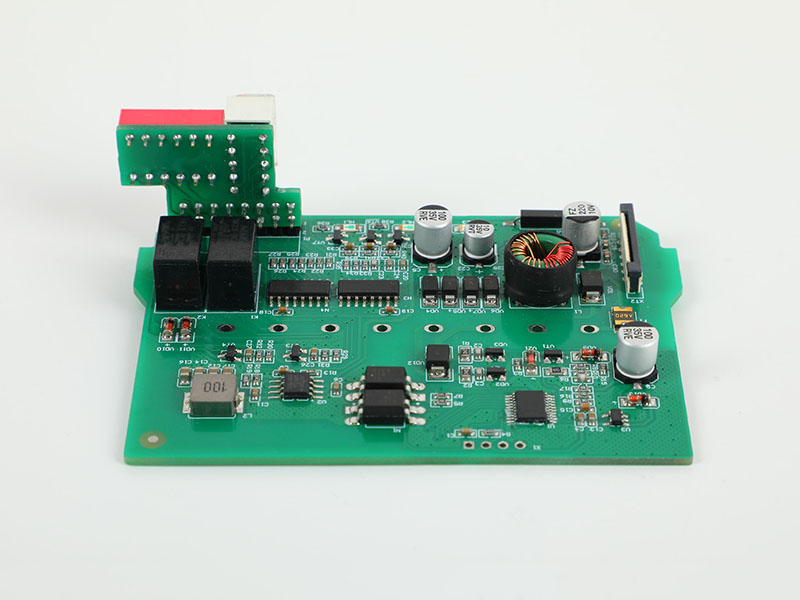
As the core component of electronic devices, the performance stability of the PCBA is directly related to the overall operational effectiveness of the equipment. Daily maintenance not only extends the service life of the PCBA but also reduces equipment failure rates and lowers maintenance costs. From environmental control to operational specifications, from cleaning maintenance to storage management, scientific care should be integrated throughout the entire lifecycle of the PCBA.
Environmental control is the foundation of PCBA maintenance. Temperature, humidity, and dust are the three main environmental factors affecting its performance. High temperatures can accelerate component aging, while low temperatures may cause solder joints to become brittle; therefore, PCBA should be stored in a constant temperature environment of 15-35°C. Excessive humidity can easily lead to oxidation and corrosion of metal parts, while too low humidity may generate static electricity; it is recommended to control relative humidity within the 40%-60% range. Dust accumulation can reduce heat dissipation efficiency and may even cause short circuits, so PCBA must be kept away from dust sources, and protective covers or sealed cabinets should be used when necessary. A laboratory comparison found that PCBA without dust protection experienced a 30% decrease in heat dissipation efficiency after six months of operation, while similar products with regular cleaning maintained stable performance.
Operational specifications are key to preventing physical damage. When installing or removing PCBA, anti-static wrist straps must be worn to prevent human-body electrostatic discharge from damaging sensitive components. Workbench surfaces should be covered with anti-static mats, and tools should be made of anti-static materials to prevent scratches on the PCB surface. Connectors should be inserted and removed with perpendicular force to avoid bending pins due to tilting; for frequently used interfaces, conductive grease can be applied periodically to reduce contact resistance. During transportation, specialized anti-vibration packaging must be used to prevent violent shaking that could cause components to detach or solder joints to crack. There have been cases where equipment without anti-vibration protection during transport led to hidden cracks in BGA chip solder joints, eventually causing signal interruption failures.
Cleaning maintenance requires selecting appropriate methods based on the level of contamination. Light dust can be removed using an anti-static brush or compressed air, with air pressure controlled at 0.2-0.3 MPa to avoid high-pressure airflow damaging components. For oil stains or stubborn dirt, isopropyl alcohol or specialized electronic cleaners should be used, applied with a lint-free wipe and wiped in a single direction, avoiding back-and-forth friction that could wear down solder joints. After cleaning, the PCBA must be dried using a low-temperature heat gun or left to evaporate naturally in a dry environment to prevent moisture residue from causing short circuits. For PCBA with heatsinks, special attention should be paid to cleaning the fin gaps to ensure unobstructed heat dissipation paths.
Storage management must follow the "First-In, First-Out" principle to avoid performance degradation of components due to long-term accumulation. Before long-term storage, PCBA requires pretreatment, including cleaning, drying, and application of conformal coating, to prevent moisture and corrosive gases from causing erosion. The storage environment should be kept away from strong electromagnetic fields to avoid signal interference that could cause component parameter drift. Regular inspections of storage conditions should be conducted, and components showing signs of oxidation or discoloration should be replaced promptly to ensure that stocked PCBA are ready for use at any time.
PCBA maintenance is a systematic task that requires comprehensive measures across multiple dimensions, including environment, operation, cleaning, and storage. Through scientific maintenance, the reliability of PCBA can be significantly enhanced, providing a solid foundation for the stable operation of electronic equipment.

No. 501, Industrial North Area, Xinhé Community, Fuhai Subdistrict, Bao'an District, Shenzhen City, Guangdong Province, China