

Weijin TechnologyOne stop manufacturer for PCBA&SMT surface mount processing
-

-

-
+86 13410351150
Weijin TechnologyOne stop manufacturer for PCBA&SMT surface mount processing
+86 13410351150
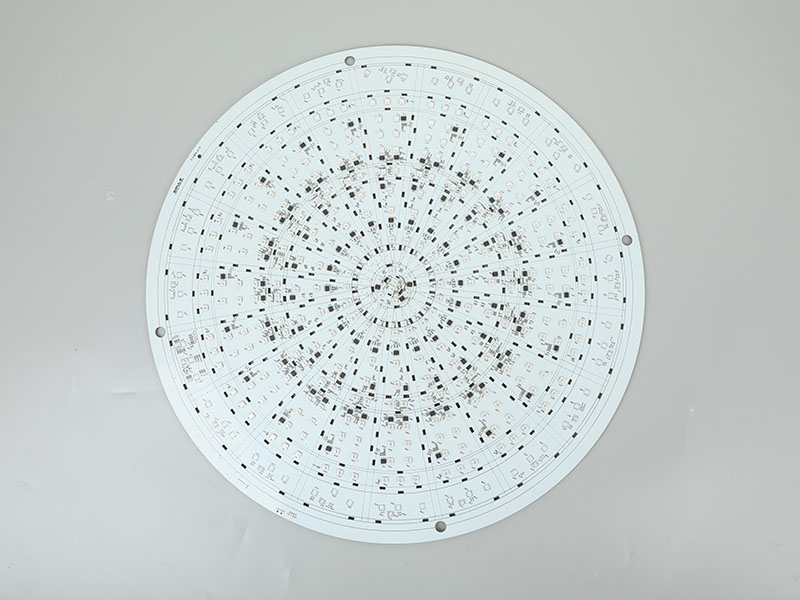
As the core component of electronic products, the installation quality of the PCBA directly affects the overall performance and stability of the finished product. To ensure the installation process is standardized and orderly, and to enhance product quality, following a scientific and reasonable installation procedure is particularly important. The following details the standard procedure for PCBA installation, aiming to provide a reference for relevant practitioners.
Before installing the PCBA, preparation work is an indispensable step. This includes a thorough inspection of the installation environment to ensure the work area is clean, tidy, dust-free, and static-free, preventing dust or static electricity from damaging sensitive electronic components. Simultaneously, all necessary installation tools, such as anti-static wrist straps, precision screwdrivers, and soldering equipment, must be prepared and confirmed to be in good condition for precise operation. Additionally, a visual inspection of the PCBA itself is necessary to confirm there is no damage or missing components, laying a solid foundation for subsequent installation.
The next step is the pre-assembly of components. According to the design drawings, various electronic components are placed one by one onto the PCB board in their designated positions. During this process, special attention must be paid to component polarity, orientation, and installation sequence to avoid circuit shorts or functional abnormalities caused by incorrect placement. For components requiring soldering, ensure the leads are aligned with the pads to prepare for the subsequent soldering work. For components using surface mount technology, specialized pick-and-place machines or careful manual operation is required to ensure the components are accurately attached to the specified locations.
Soldering is a critical step in PCBA installation. Whether manual soldering or machine soldering, the soldering temperature and time must be strictly controlled to avoid component damage or weak solder joints due to overheating. During manual soldering, appropriate solder wire and flux should be used to ensure solder joints are full, smooth, and free from cold or insufficient soldering. For machine soldering, welding parameters must be adjusted based on component types and PCB material to achieve the optimal soldering result. After soldering is complete, the solder joints must undergo visual inspection, and touch-up or repair work should be carried out if necessary.
Inspection and debugging after installation are equally important. Through visual inspection, functional testing, and other methods, confirm that all components on the PCBA are correctly installed, circuit connections are error-free, and functionality is normal. Any problems discovered must be promptly documented, their causes analyzed, and appropriate measures taken for repair or adjustment. Furthermore, the PCBA should undergo environmental adaptability tests, such as temperature cycling tests and vibration tests, to ensure stable operation under various harsh conditions.
Finally, the installed and tested PCBA is properly packaged, ready to move to the next production stage or for delivery to the customer. Throughout the entire installation process, each step must be carried out rigorously and meticulously, ensuring every detail meets the specified requirements, thereby producing high-quality, high-reliability electronic products.

No. 501, Industrial North Area, Xinhé Community, Fuhai Subdistrict, Bao'an District, Shenzhen City, Guangdong Province, China