

Weijin TechnologyOne stop manufacturer for PCBA&SMT surface mount processing
-

-

-
+86 13410351150
Weijin TechnologyOne stop manufacturer for PCBA&SMT surface mount processing
+86 13410351150
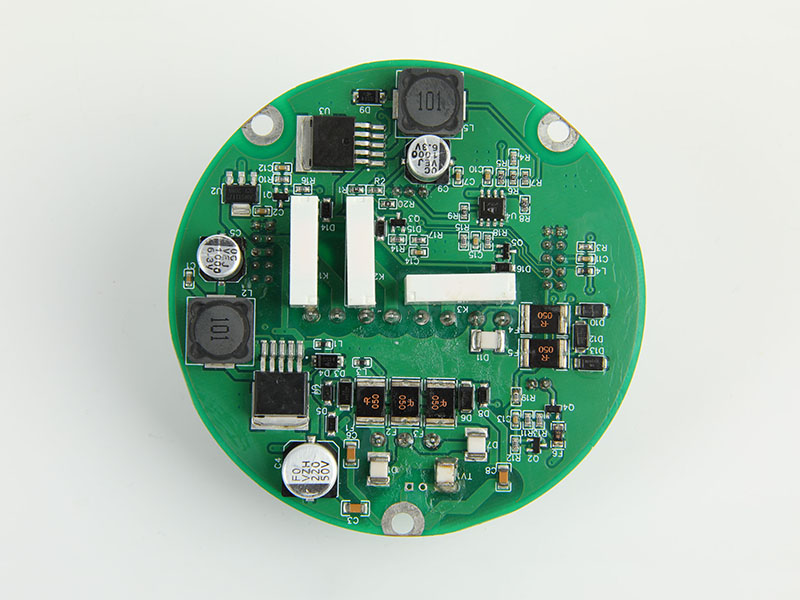
The PCBA is the core component of electronic devices, and its surface cleanliness directly affects electrical performance and service life. Improper cleaning operations can lead to component damage, loose solder joints, or reduced insulation performance, making it crucial to master the correct cleaning methods. The cleaning process must balance cleaning effectiveness with equipment safety, requiring strict control from tool selection to operational details.
The selection of cleaning tools and materials should adhere to the principle of being "gentle and non-damaging." Traditional cotton cloths or ordinary paper towels can easily generate lint, which may remain in circuit board gaps and cause short circuits; it is recommended to use lint-free wipes or specialized anti-static wipes. For cleaning agents, alcohol-based solvents are widely used due to their rapid evaporation and low residue, but attention must be paid to concentration—75% isopropyl alcohol effectively dissolves oils without causing coating peeling on component surfaces due to excessive concentration. For stubborn stains, electronic-grade specialized cleaners can be used, but their compatibility with component materials must be confirmed in advance to prevent corrosive chemicals from contacting sensitive components.
The control of operating force and direction directly impacts cleaning quality. Wiping should be done gently in a single direction along the component arrangement, avoiding back-and-forth friction which could wear solder joints or loosen component leads. For bottom-mounted components such as BGA and QFN, a soft brush or compressed air should be used to assist cleaning, preventing tools from contacting the component underside and causing hidden cracks. Pressure control is equally critical: excessive pressing force may embed lint fibers into solder joint gaps, while insufficient pressure fails to thoroughly remove stains. It is recommended to replace single heavy pressure with multiple light wipes to progressively enhance cleaning effectiveness.
Differentiated cleaning strategies should be adopted for various areas. For component-dense zones, priority should be given to using compressed air to blow away dust, supplemented by localized wiping, to prevent cleaning agents from penetrating into component interiors. Heatsink areas require focused cleaning of fin gaps; a fine brush can be used to sweep repeatedly along the heat dissipation channels to ensure unobstructed heat transfer paths. Connector interfaces should be wiped with specialized cleaning sticks lightly moistened with a small amount of cleaner, avoiding liquid ingress into the interface which could cause poor contact. For cleaning scenarios involving live circuits, anti-static tools must be used, and the operating environment's humidity should be maintained between 40%-60% to prevent electrostatic discharge from damaging sensitive components.
Post-cleaning procedures are often overlooked but are critically important. After wiping, the PCBA should be dried using a heat gun on a low-temperature setting (approximately 40°C) or left to evaporate naturally in a dry environment to ensure no cleaning agent residue remains. During drying, maintain a distance of at least 20cm between the heat gun and the board surface to avoid localized overheating causing component deformation. For PCBA boards coated with conformal coating, the integrity of the coating must be checked after cleaning; any peeling or damage found should be promptly repaired to prevent moisture ingress leading to corrosion. Before long-term storage, it is advisable to place the cleaned PCBA in an anti-static bag with desiccant to delay oxidation.
Cleaning a PCBA is a task that demands both technical skill and meticulous attention. Cleaning strategies must be flexibly adjusted based on component types, contamination levels, and usage scenarios. By standardizing operational procedures and rigorously controlling the quality of tools and materials, efficient cleaning can be achieved while ensuring equipment safety, laying a foundation for the stable operation of electronic devices.

No. 501, Industrial North Area, Xinhé Community, Fuhai Subdistrict, Bao'an District, Shenzhen City, Guangdong Province, China